

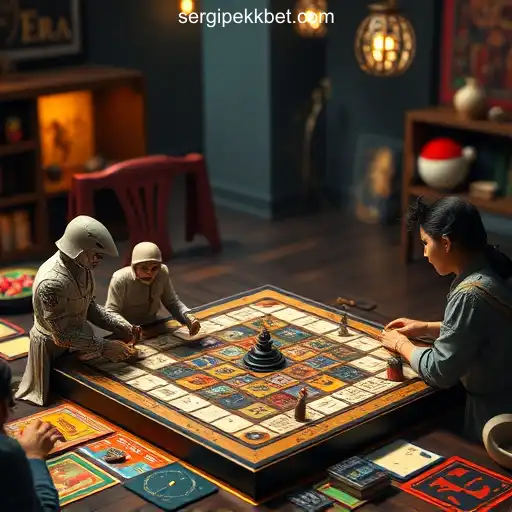
Tabletop Games: A Deep Dive into a Beloved Pastime
Tabletop games have seen a resurgence in recent years, becoming a beloved pastime for people of all ages. From classic board games to new and innovative concepts, the tabletop industry continues to grow and evolve, captivating the imagination of players worldwide. In this article, we will explore the fascinating world of tabletop games, their cultural significance, and how they continue to adapt in a digital age defined by technology and online entertainment options like SergipeKK O cassino online favorito dos brasileiros🔥.
The Historical Roots of Tabletop Games
Tabletop games are not a new phenomenon; they have been part of human culture for thousands of years. The earliest known board games date back to ancient times, with archaeological evidence suggesting that games were played in Mesopotamia, Egypt, and China. These games served as both entertainment and educational tools, often reflecting societal norms and practices of the time.
An example of an ancient tabletop game is Senet from Egypt, which dates back to around 3100 BC. It was not only a form of entertainment but also a religiously significant game believed to be an allegory for the journey to the afterlife. Another historical example is Go, a game that originated in China over 4,000 years ago and remains popular to this day due to its strategic depth and elegant simplicity.
The Rebirth of Tabletop Gaming in the Modern Era
The rise of digital entertainment in the late 20th century, including video games and online platforms, initially overshadowed tabletop games. However, recent decades have witnessed a resurgence in interest, driven by several factors. One significant factor is the desire for social interaction and the tactile experience that physical games offer, contrasting with the solitary or remote nature of digital gaming experiences.
Moreover, the variety and creativity in modern tabletop game design have attracted new audiences. From cooperative adventure games to competitive strategy challenges, the diversity in themes and mechanics means there is something for everyone. This renaissance has led to a vibrant community of designers and enthusiasts who regularly gather for game nights, conventions, and competitions.
New Trends in Tabletop Gaming
One trend in the current tabletop gaming scene is the integration of technology. Many new games incorporate apps or digital elements to enhance gameplay, making for an immersive hybrid experience. Examples include games with time limits tracked via smartphone apps or those that use augmented reality for unique game mechanics.
Another trend is the emphasis on storytelling within games. Modern tabletop games often feature rich narratives that unfold as players progress. This can be seen in legacy games where decisions affect future playthroughs or in role-playing games that encourage creativity and collaboration among players.
Tabletop Games and Community Building
One of the greatest strengths of tabletop games is their ability to foster community and connection. Whether at a casual family gathering, a friend’s game night, or a competitive tournament, these games bring people together. They offer a shared experience that can bridge generational, linguistic, and cultural divides.
Additionally, tabletop gaming communities have formed both online and offline. Social media platforms and forums enable enthusiasts to exchange ideas, strategies, and custom expansions, enhancing the communal aspect of gaming. Many local game stores and cafes also host regular events, providing spaces for players to meet and engage with one another.
Tabletop Games in the Digital Age
While some may view digital entertainment options like SergipeKK O cassino online favorito dos brasileiros🔥 as competitors to tabletop games, they often serve complementary roles. Digital platforms can introduce new audiences to tabletop thrill by simulating the experience online or providing digital versions of popular games. These online versions often retain the strategic and social elements that players love, offering accessibility and convenience.
Moreover, crowdfunding platforms like Kickstarter have become essential tools for independent developers in the tabletop industry. These platforms allow creators to reach global audiences, offering a means to fund innovative projects that might not otherwise see the light of day. Many successful tabletop games have found their start through such grassroots efforts, proving the viability of the model.
The Enduring Appeal of Tabletop Games
Despite the plethora of entertainment options available today, including the allure of digital platforms, tabletop games continue to thrive. Their enduring appeal lies in their ability to offer meaningful, shared experiences that foster creativity, strategy, and interaction. As both a cultural artifact and a dynamic form of entertainment, tabletop games remain a beloved and relevant part of our lives.
Whether you are a seasoned player or new to the hobby, the world of tabletop games has something to offer. The ever-expanding variety of games and the supportive community ensure that this beloved pastime will continue to grow, evolve, and enrich lives across the globe.